Adrenal gland surgery
Specialist information on adrenal tumours and adrenalectomy
The adrenal glands are small, triangular glands that sit on top of each kidney. They make essential hormones: cortisol, aldosterone and adrenaline. When a growth on an adrenal gland makes too much hormone, is suspicious for cancer, or grows over time, the gland is usually removed. This site explains the conditions involved, the operation options and what recovery looks like.
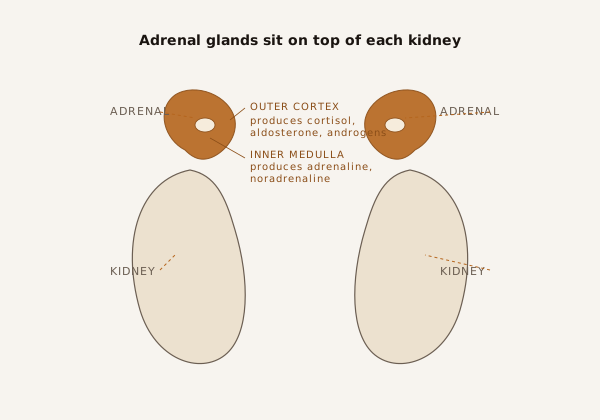
What the adrenal gland does
Each gland has two parts with different jobs. Most adrenal problems trace back to one of these.
Outer cortex
Produces cortisol (stress and blood sugar), aldosterone (blood pressure and salt balance) and small amounts of sex hormones.
Inner medulla
Produces adrenaline and noradrenaline, the fight-or-flight hormones that drive heart rate and blood pressure.
When surgery is considered
Functioning tumours that over-produce one of these hormones, masses larger than 4 cm with worrying imaging features, suspected cancer, or masses that grow on repeat scans.3
Where to go next
The pages below cover the main adrenal conditions, the procedures used to treat them, and what to expect around the operation.
Adrenal conditions
The seven main reasons an adrenal mass is treated, from benign adenoma to adrenocortical carcinoma.
Procedures
Robotic, single-port, laparoscopic and open approaches, and how they compare.
What to expect
Pre-operative assessment, the day of surgery, hospital stay and recovery milestones.
For GPs
Biochemical workup, imaging and referral pathway for adrenal masses.
About your specialist
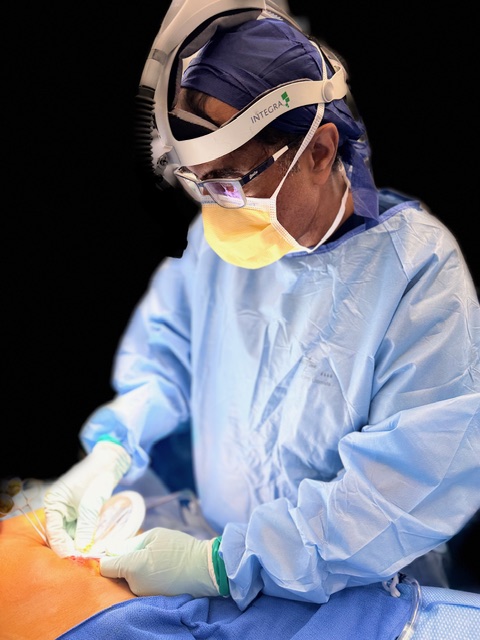
Dr Raji Kooner is a urological surgeon in Sydney. He performed the first robot-assisted adrenalectomy in Australia and has a longstanding interest in kidney, upper-tract and adrenal surgery. He practises through Urology NSW; a full biography, publications list and curriculum vitae are on rajikooner.com.au.
Whether surgery is appropriate for your adrenal tumour depends on hormone testing, imaging and your overall health. Use contact or second opinion to reach the rooms.